ABB Distributed Control Systems
태그

Connected Horizons: New Pathways in Robot–PLC Digital Interconnection

August 04,2025

Introduction
The concept of Industry 4.0 has triggered a major reconfiguration of global manufacturing strategies. Factories are moving toward intelligent production systems, where automation is no longer limited to isolated machines but instead relies on interconnected ecosystems. Two technologies stand at the heart of this transition: industrial robots, which perform repetitive yet highly precise tasks, and programmable logic controllers (PLCs), responsible for directing and sequencing complex processes. For smart factories to achieve their potential, a strong digital link between these technologies is essential.

ABB, a leader in electrification and robotics, has made significant contributions to this field. Its RobotStudio software provides a comprehensive simulation environment, while communication standards such as OPC UA ensure that robots and PLCs can exchange information without being locked into proprietary protocols. Together, these technologies enable faster deployment, predictive insights, and enhanced flexibility across production lines.

Overcoming Barriers in Robot–PLC Communication
For decades, robot–PLC connections relied heavily on vendor-specific protocols or complex middleware. These approaches increased system complexity, created integration delays, and often made scaling difficult. The adoption of OPC UA has changed the situation fundamentally.

Because OPC UA supports platform-neutral and secure communication, data such as sensor states, cycle information, and error messages can be transferred seamlessly. According to figures reported by the OPC Foundation, companies that transitioned to OPC UA achieved nearly 30% faster system deployment and experienced maintenance savings of around 20% annually compared with traditional networks.

In practice, this translates into more synchronized workflows. An automotive plant using ABB robots in body assembly linked them with PLCs through OPC UA. The result was a 15% throughput increase, largely because conveyor operations and welding sequences were better aligned. Failures that used to occur due to mismatched cycle timing dropped sharply, reducing downtime and scrap rates.

Another dimension is system expansion. With OPC UA, new robots or modules can be integrated into an existing line without rewriting all communication code. This flexibility is particularly relevant in electronics manufacturing, where product designs and production volumes change rapidly.

Virtual Commissioning as a Game-Changer
Communication standards alone do not guarantee optimal performance. Engineers also need ways to verify and refine system behavior before installation. Here, ABB’s RobotStudio plays a crucial role. The platform allows the creation of digital twins, offline programming, and process validation under virtual conditions.

Through RobotStudio, PLC logic and robotic movements can be tested in a simulated factory. This reduces the risks that usually appear during commissioning. ABB case studies show that virtual testing has shortened commissioning times by up to half, saving both engineering resources and valuable production capacity.

For example, in an electronics facility, engineers modeled pick-and-place operations digitally, testing conveyor speeds, acceleration settings, and sensing delays. When deployed, the production line ran 12% faster, while material loss from handling errors declined.

Digital twins also offer predictive benefits. By feeding live operational data into the simulation, companies can anticipate wear patterns, identify energy optimization strategies, and improve scheduling. In capital-intensive sectors such as aerospace, this can prevent costly unplanned downtime and extend the usable life of assets.

Evidence Across Industries
The real value of robot–PLC interconnection emerges when examining applications across sectors:

1.Automotive Manufacturing: A European automaker integrated ABB welding robots with PLCs using OPC UA. The cycle time was cut by 20%, and programming mistakes decreased by 40%, lowering rework costs significantly.

2.Food and Beverage: A packaging plant applied RobotStudio to configure robotic palletizers with conveyor systems. Adjustments made in simulation reduced packaging errors by 25% and lifted throughput from 950 to 1,200 units per hour.

3.Pharmaceutical Production: By linking robots and PLCs with OPC UA and verifying workflows in RobotStudio, a pharmaceutical company reduced qualification times by 30%. Real-time batch data exchange also enhanced product traceability and compliance.

Despite differences in products and regulatory environments, these examples reveal a consistent pattern: faster deployment, higher quality, and measurable cost reductions.

Conclusion
The integration of robots with PLCs has moved beyond being a technical improvement; it is now a strategic necessity for any manufacturer pursuing Industry 4.0 objectives. By combining open communication standards such as OPC UA with advanced simulation tools like RobotStudio, organizations can eliminate long-standing bottlenecks, achieve flexible operations, and unlock predictive insights.

From automotive assembly lines to cleanroom pharmaceutical production, the benefits are clear: shorter deployment cycles, greater throughput, better compliance, and lower operational costs. Looking ahead, as supply chains become more complex and competition more intense, robot–PLC digital interconnection will continue to serve as a critical enabler of resilience and innovation.

The journey toward connected horizons is underway, and those who adopt these technologies today will shape the competitive landscape of tomorrow’s smart factories.

  • What Makes Bently Nevada 330930-045-00-05 3300 NSv Extension Cable Essential for Reliable Turbine Monitoring? 13/03

    2026

    What Makes Bently Nevada 330930-045-00-05 3300 NSv Extension Cable Essential for Reliable Turbine Monitoring?
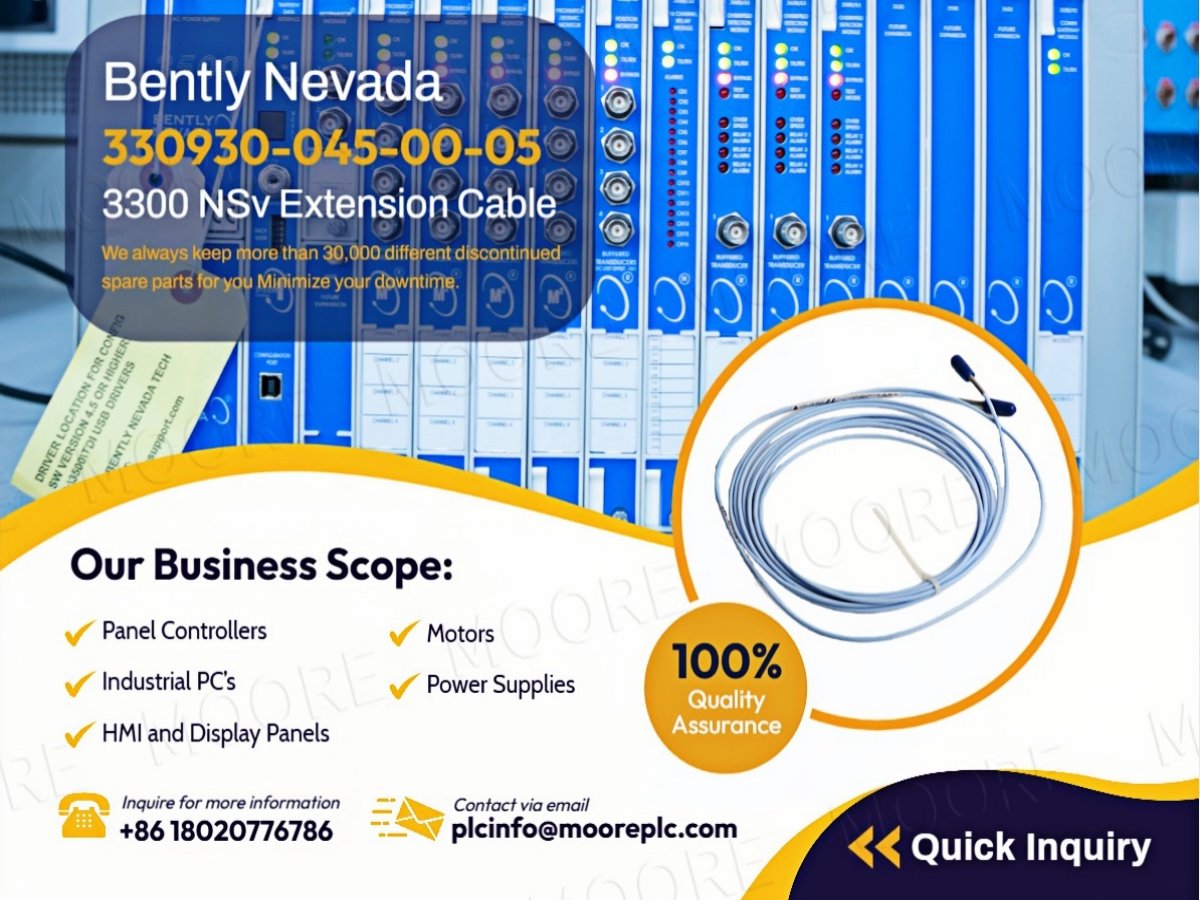
    What Is the Bently Nevada 330930-045-00-05 3300 NSv Extension Cable The Bently Nevada 330930-045-00-05 3300 NSv Extension Cable is a key connection component used in vibration monitoring systems. It links proximity probes to monitoring equipment, allowing accurate transmission of vibration signals from rotating machinery to the monitoring system. For customers operating turbines, compressors, or other high-value rotating assets, maintaining reliable signal transmission is essential for equipment protection. This cable is designed for use within turbine monitoring and condition monitoring environments where precision and reliability are required. As part of the broader ecosystem of TSI spare parts, the extension cable ensures that vibration data collected by probes reaches the monitoring system without signal loss. Stable data transmission is critical for accurate diagnostics and effective predictive maintenance. Why the 4.5-Meter Cable Length Matters for Industrial Installations One of the defining parameters of this model is the 045 cable length option, which equals 4.5 meters (14.8 feet). In many industrial environments, sensors and monitoring racks are not located close together. The additional cable length provides flexibility during installation and allows engineers to route cables safely around turbine housings or protective enclosures. From a customer’s perspective, choosing the correct cable length can prevent installation complications later. When vibration probes are positioned near turbine shafts while monitoring equipment is installed in control cabinets, the 330930 extension cable ensures the connection remains stable. For companies managing complex Turbine Supervisory Instrumentation components, proper cable configuration helps maintain signal integrity and reliable monitoring. How the Non-Armored Cable Option Improves Installation Flexibility The 00 connector and cable option means the cable is supplied without stainless steel armor. This design provides a lighter and more flexible cable structure, making installation easier in environments where mechanical protection is already provided by conduit systems or protected cable trays. For maintenance teams, this flexibility can simplify installation and replacement procedures. When replacing TSI modules or performing routine inspections on turbine monitoring systems, technicians often need cables that are easier to route and handle. The non-armored design allows faster installation while still maintaining the performance required for sensitive monitoring signals. Why Multiple Agency Approvals Matter for Industrial Safety The 05 agency approval option, which represents multiple approvals, is another important feature of the Bently Nevada 330930-045-00-05 cable. Industrial facilities often operate under strict safety and regulatory requirements, especially in sectors such as power generation, oil and gas, and petrochemical processing. For customers operating globally, components with mu...
  • What Makes the GE IS200DSPXH1DBD DSP Control Board a Game-Changer for Industrial Control? 04/03

    2026

    What Makes the GE IS200DSPXH1DBD DSP Control Board a Game-Changer for Industrial Control?
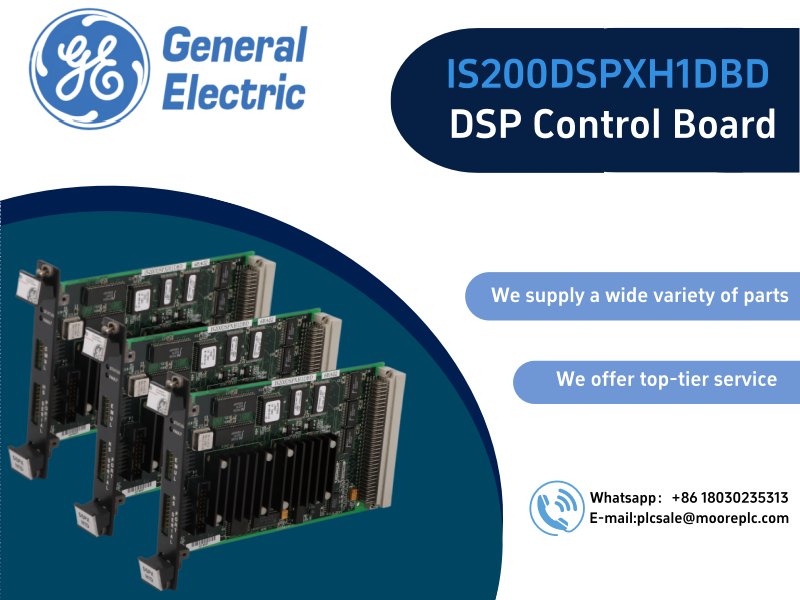
    The GE IS200DSPXH1DBD DSP Control Board is redefining efficiency and reliability in industrial automation. Designed to deliver precise digital signal processing (DSP) capabilities, it addresses the growing demand for high-performance turbine, generator, and industrial machinery control. Its robust architecture ensures seamless integration with existing control systems, minimizing downtime and enhancing overall operational efficiency. Why Upgrading to the IS200DSPXH1DBD Is Critical for Modern Industrial Operations Industries increasingly face challenges such as aging control hardware, unpredictable system performance, and escalating maintenance costs. The IS200DSPXH1DBD offers a forward-looking solution by providing high-speed processing, advanced fault diagnostics, and reliable real-time control. Upgrading to this control board enables predictive maintenance, reduces unscheduled outages, and improves the longevity of critical assets. Where Can the IS200DSPXH1DBD Deliver Maximum Value? This control board is ideal for high-demand industrial environments, including power generation plants, turbine control systems, and complex manufacturing facilities. Its compatibility with distributed control systems (DCS) and integration with other GE control modules makes it suitable for both retrofit projects and new installations. When Is the Right Time to Implement DSP Control Board Upgrades? Operators should consider upgrades during scheduled maintenance cycles, system modernization initiatives, or when performance monitoring indicates frequent operational deviations. Implementing the IS200DSPXH1DBD proactively ensures uninterrupted production and avoids costly emergency replacements. Which Features Set the IS200DSPXH1DBD Apart from Conventional Control Boards? Key differentiators include: ●High-speed DSP processing for real-time control and monitoring ●Advanced fault diagnostics with event logging ●Wide operating temperature range suitable for harsh environments ●Seamless system compatibility with existing control infrastructure ●Long-term reliability reducing lifecycle costs Who Benefits Most from the IS200DSPXH1DBD? Maintenance engineers, plant operators, and industrial system integrators benefit directly from its enhanced performance and diagnostics capabilities. The board also empowers decision-makers by providing actionable operational data that supports efficiency improvements and risk mitigation. How the IS200DSPXH1DBD Helps You Achieve Operational Excellence By integrating the IS200DSPXH1DBD into your control system, you gain: ●Enhanced precision control for turbines and industrial machinery ●Reduced downtime through predictive maintenance alerts ●Simplified troubleshooting with comprehensive diagnostics ●Increased ROI via improved efficiency and asset longevity In an era where industrial systems demand higher performance and reliability, the GE IS200DSPXH1DBD DSP Control Board provides a comprehensive solution that aligns with modern operational cha...
  • ABB SD822 Power Module: Reliable and Efficient Industrial Power 27/02

    2026

    ABB SD822 Power Module: Reliable and Efficient Industrial Power
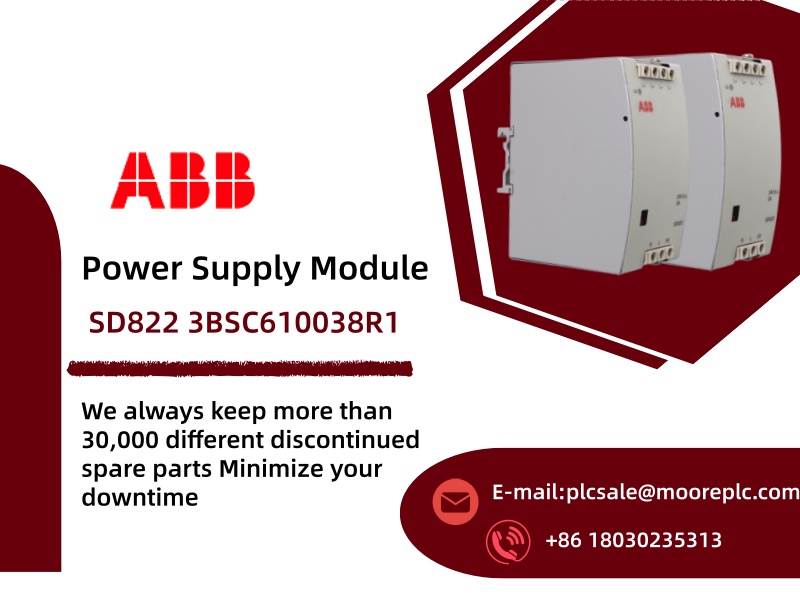
    What Makes the ABB SD822 Power Supply Module a Reliable Choice for Industrial Systems? The ABB SD822 3BSC610038R1 Power Supply Module is engineered to deliver stable, uninterrupted power to industrial control systems, effectively minimizing the risk of unplanned downtime and critical system failures that can lead to substantial production losses. Its robust mechanical and electrical design is built to withstand the harsh conditions of industrial environments—including extreme temperatures, voltage fluctuations, and mechanical vibration—supporting 24/7 continuous operation. This level of durability makes it an ideal power solution for critical infrastructure where reliability is non-negotiable, such as industrial control panels, automation networks, and mission-critical process systems. Why Upgrading to the ABB SD822 Module Improves Operational Efficiency Upgrading to the ABB SD822 module translates to tangible operational efficiency gains, thanks to its advanced voltage regulation technology and comprehensive protection mechanisms. The module’s precision voltage control ensures consistent power delivery to sensitive control components, minimizing energy loss and optimizing the performance of connected systems. Additionally, its built-in protection features reduce the frequency of equipment malfunctions, leading to lower maintenance costs, fewer unexpected operational interruptions, and smoother, more predictable industrial processes. Over time, these benefits translate to improved productivity and a higher return on investment for industrial operations. Where Can the ABB SD822 Module Make the Biggest Impact? The SD822 power supply module excels in power distribution for industrial control centers, process plants, and automated production systems, where uninterrupted power is a prerequisite for safe and efficient operation. It delivers maximum value in high-stakes environments such as chemical processing plants (where power disruptions can cause hazardous material leaks), power generation facilities (critical for grid stability), large-scale manufacturing lines (to avoid costly production halts), and oil & gas refineries (where equipment failure risks operational safety). Its ability to maintain performance in harsh and demanding settings makes it a cornerstone of reliable industrial power infrastructure. When Should You Consider Replacing Your Current Power Supply? Industrial operations should prioritize upgrading to the SD822 module if they experience frequent system resets, inconsistent voltage output, rising maintenance costs, or aging power supply units (typically those older than 5-7 years). Early replacement is a proactive measure to prevent costly unplanned downtime, protect sensitive control equipment from voltage surges or drops, and avoid cascading system failures. Additionally, if your current power supply struggles to meet the increasing power demands of upgraded automation systems, the SD822’s flexible design ensures it can adapt...
  • Why Choose the ICS Triplex T8461C as Your Critical DCS Digital Output Module? 02/02

    2026

    Why Choose the ICS Triplex T8461C as Your Critical DCS Digital Output Module?
    Why the ICS Triplex T8461C is a Critical DCS Component Maintaining a high-performance Distributed Control System depends on specifying components that guarantee both reliability and precise integration. The ICS Triplex T8461C digital output module meets this need with engineering focused on durability and control accuracy. Partnering with an established DCS module supplier such as ICS Triplex provides access to genuine, high-specification DCS spare parts. Utilizing the T8461C as a primary Distributed Control System replacement part directly supports operational uptime and system resilience in essential industrial applications. Engineered for Stability in Extreme Conditions The operational environment of a DCS can involve significant thermal and humidity fluctuations. The T8461C is designed to perform consistently within a -5°C to 60°C operating range and can withstand non-operational exposure from -25°C to 70°C. Its performance remains unaffected across a 5% to 95% non-condensing humidity spectrum. This environmental toughness makes it a dependable choice for outdoor installations, unregulated industrial spaces, or any setting where control hardware faces physical stress, thereby reducing failure rates and lifecycle costs. Configurable Voltage Supports Diverse Field Devices A key operational advantage of the T8461C is its wide 18V to 60V DC output range. This adjustability allows a single module type to interface with various actuators, solenoids, and other industrial loads. The benefit is a simplified control cabinet design, reduced need for multiple specialty modules, and a more streamlined inventory of critical Distributed Control System replacement parts. This versatility makes it applicable across different stages of a process or within facilities that operate mixed equipment types. High-Fidelity Control Through Signal Isolation For multi-channel digital output modules, preventing cross-talk is essential to maintain command integrity. The T8461C provides superior isolation, with crosstalk suppression exceeding -40dB. This ensures that signals on individual channels do not interfere with each other, a critical feature for complex sequencing, safety interlocking, and precise timing in automated processes. Such signal clarity is indispensable in sectors like pharmaceuticals or energy management, where output accuracy is non-negotiable. A Strategic Source for System Sustainment Choosing a dedicated DCS module supplier is a long-term decision for system health. ICS Triplex manufactures the T8461C to meet rigorous standards for interoperability and endurance, making it a trustworthy DCS spare parts selection. Implementing this module is a proactive measure that extends the service life of your control architecture, safeguards production consistency, and optimizes total cost of ownership. Industry-Specific Implementations The module's robust feature set makes it suitable for critical sectors: Power Generation: Controls turbine auxiliary systems, pu...
  • What Are the Key Benefits of Using GE Distributed Control System Replacement Parts? 17/03

    2026

    What Are the Key Benefits of Using GE Distributed Control System Replacement Parts?
    Overview of GE DCS Replacement Part For industries operating with distributed control systems, maintaining consistent performance requires reliable component support. GE Distributed Control System replacement parts provide a practical option for keeping both legacy and newer systems functioning without frequent shutdowns. Adding these industrial spare parts into planned maintenance schedules helps reduce unexpected equipment issues and limits costly repairs. Using GE components allows facilities to maintain smoother operations and avoid unnecessary interruptions. Their compatibility with existing setups supports continuous production while strengthening overall spare parts management. Boosting Reliability and Efficiency GE DCS spare parts are widely selected for their dependable operation in complex industrial environments. These industrial automation parts are engineered to align with original system parameters, reducing the risks associated with mismatched components. For instance, GE IS200TRPGH2B is often applied where stable control performance is required. With properly fitted components, production systems can run with fewer interruptions. This reliability helps maintenance teams optimize workflows and improve spare parts management without frequent corrective actions. Enhancing System Longevity Routine replacement of aging parts with GE DCS replacement parts can significantly extend system service life. These industrial spare parts are designed for durability, supporting long-term use in demanding conditions. Regular upkeep using quality components helps prevent larger system failures and reduces wear over time. Equipment such as IS200TRTDH1CCC plays an important role in maintaining system stability. By relying on dependable replacements, operators can sustain performance and improve spare parts management efficiency. Seamless Compatibility with Existing Systems Upgrading or replacing components within an active control system requires precise compatibility. GE DCS spare parts are built to match original configurations, making installation more straightforward and reducing the need for system adjustments. Modules like IS200TBAIH1CCC are designed for direct integration, allowing for quick replacement and minimal downtime. This simplifies maintenance procedures and supports effective spare parts management. Long-Term Cost Savings Although original industrial spare parts may involve higher upfront costs, they often lead to savings over time. Their reliability reduces replacement frequency and helps avoid unexpected production stoppages. This contributes to more stable budgeting and improved spare parts management. Fewer breakdowns and less emergency maintenance result in lower overall operational expenses. Over the long term, dependable GE components provide a cost-efficient solution for continuous industrial processes. Safety and Compliance Assurance Ensuring compliance with safety standards is essential in industrial environments. GE DCS re...
  • Which Automation Spare Parts Are Most Critical for Smart Factory Operations? 11/03

    2026

    Which Automation Spare Parts Are Most Critical for Smart Factory Operations?
    Why Automation Spare Parts Are Critical for Smart Factory Stability Today's manufacturing floors rely on networks of devices working together under tight coordination. A failure in one location can create delays that spread across the entire facility. Keeping selected automation spare parts onsite gives technicians the ability to replace failed units immediately. This approach reduces unplanned stoppages and helps factories maintain the output levels expected by their customers. Which Automation Components Should Be Prioritized in Spare Parts Planning Building an effective spare parts inventory starts with identifying components that appear in critical control paths. Items like programmable controllers, signal interfaces, and power distribution units typically belong in this category. For plants using turbines or large compressors, TSI spare parts are equally essential. These components deliver real-time measurements that operators depend on to evaluate machinery condition and adjust operating parameters. How TSI Spare Parts Support Equipment Monitoring and Safety Large rotating machines require continuous oversight to operate safely over long periods. Turbine Supervisory Instrumentation components track parameters such as shaft displacement, casing vibrations, and rotational speed. When monitoring hardware fails, engineers lose access to this important information. Maintaining spare TSI modules onsite ensures that monitoring capabilities can be restored promptly, allowing operations to continue with full awareness of machine status. Where Businesses Can Source Reliable Automation Spare Parts The best inventory plan loses value if replacement parts cannot be obtained when needed. Many manufacturers face delays because regular distributors do not stock specialized components. Suppliers with expertise in automation spare parts and specific knowledge of Turbine Supervisory Instrumentation components offer a practical solution. These organizations typically maintain broader networks and can locate TSI modules more efficiently than general industrial suppliers. How Smart Spare Parts Management Reduces Downtime Observing patterns in equipment failures provides useful guidance for inventory planning. By examining past repairs, maintenance teams can determine which automation spare parts should be kept available. Including TSI spare parts in this analysis protects monitoring systems from extended downtime when modules fail unexpectedly. This approach moves beyond guesswork and creates a reliable framework for maintaining production continuity. Conclusion Smart factory operations depend on both advanced technology and practical preparation. Maintaining a thoughtful selection of automation spare parts, particularly TSI modules for critical machinery monitoring, gives facilities the ability to respond quickly when problems arise and keep production moving forward. Hot Recommendations IC693CHS398 330180-91-05 MGC600-CPU HIEE300867R0001 PPB022 DE 330130-040-0...
  • How ABB Automation Ensures Reliability, Safety, and Seamless Modernization? 04/03

    2026

    How ABB Automation Ensures Reliability, Safety, and Seamless Modernization?
    Ensuring Continuous Industrial Reliability ABB’s automation solutions deliver dependable performance for high-stakes industrial operations. Their robust design and real-time monitoring capabilities ensure that critical processes continue without interruption, even under extreme load or environmental conditions. Customers benefit from reduced unplanned downtime, enhanced process stability, and greater confidence in meeting operational targets. The system’s built-in diagnostics also help teams quickly identify and resolve potential issues before they escalate into costly failures. Seamless Upgrades for Aging Automation Systems Aging automation infrastructure is a common concern for many industrial facilities. ABB addresses this by providing long-term support and seamless integration with legacy equipment, allowing plants to upgrade control modules without needing a full system replacement. Certified ABB spare parts and backward-compatible modules ensure older systems remain fully operational, extend their lifecycle, and reduce capital expenditure. Customers gain a safer, cost-effective path to modernization without compromising system reliability. Intelligent Redundancy to Prevent Production Interruptions Unexpected production stoppages can have significant financial and operational impacts. ABB’s automation platforms feature advanced redundancy and fault-tolerant designs, enabling continued operation during maintenance, component replacement, or partial system failures. By maintaining uninterrupted workflows, these systems minimize operational risk, reduce recovery time, and provide plant operators with peace of mind that critical processes remain stable. Simplifying Spare Parts and Maintenance Planning Managing automation spare parts, especially for older or discontinued systems, can be complex and time-consuming. ABB simplifies this process with certified, ready-to-install modules that maintain performance consistency and compliance with safety standards. Customers experience predictable maintenance cycles, reduced emergency orders, and streamlined inventory management, ensuring that both routine operations and emergency interventions can be executed efficiently. Phased Modernization Without Operational Disruption Many industrial facilities prefer incremental upgrades rather than complete system overhauls to maintain continuous operations. ABB supports phased modernization, allowing individual automation controllers and modules to be upgraded independently. This approach enables facilities to adopt new technology at a controlled pace, enhance process safety and efficiency, and integrate advanced analytics or IoT capabilities, all without halting production or disrupting workflow. Key Industries Leveraging ABB Automation ABB’s industrial automation solutions are trusted across sectors where uptime, precision, and safety are critical. Key industries include: ●Oil & Gas: Upstream, midstream, and downstream operations requiring high availability...
  • Schneider Electric’s AI Journey: From Lighthouse Factory to Industry Impact 27/02

    2026

    Schneider Electric’s AI Journey: From Lighthouse Factory to Industry Impact
    What is Schneider Electric's "Technology+Scenario" AI Dual Wheel Path? Schneider Electric is promoting the widespread application of artificial intelligence (AI) technology in industrial manufacturing, energy management, and operational scenarios, using "technological innovation+industry scenario implementation" as the dual engine to accelerate the digital transformation of physical industries. The company builds AI solutions through technology research and development, ecological collaboration, and practical scenarios, which not only improve efficiency, reliability, and sustainability, but also create practical value for customers. Schneider Electric's AI strategy not only focuses on algorithm research and development, but also emphasizes deep integration with industrial applications to form replicable industry solutions, allowing customers to quickly understand the actual value of technology implementation.   Why - Why adopt the "technology+scenario" path? In industrial enterprises, the introduction of AI can help companies deal with the complexity and uncertainty of the production process, such as predictive maintenance, energy efficiency optimization, and quality control issues. General AI models are often difficult to directly meet industry needs, so Schneider Electric adopts a "technology+scenario" strategy, closely integrating AI capabilities with specific business scenarios to truly improve production efficiency, reduce energy consumption, and achieve sustainable development, providing customers with practical and feasible solutions while reducing the maintenance pressure of traditional systems.   Where - What key industry scenarios does AI technology cover? Schneider Electric's AI implementation covers intelligent manufacturing, energy management, data center and building management, as well as supply chain and research and development processes. In the context of intelligent manufacturing, AI drives predictive maintenance and production process optimization to improve production line efficiency and equipment reliability. In the field of energy management, machine learning models optimize energy consumption, reduce energy waste, and improve overall system efficiency. In data centers and building management, AI technology optimizes intelligent cooling and power scheduling, simultaneously improving efficiency and sustainability. In the supply chain and research and development stages, AI algorithms are used to optimize design processes and scheduling strategies, improve overall operational efficiency and response speed, and enable customers to achieve quantifiable benefits in each stage.   When - What stage has Schneider Electric's AI landing entered? In recent years, Schneider Electric's AI strategy has entered the stage of scale implementation from the exploration pilot phase. At the recent World Artificial Intelligence Conference (WAIC 2025), the company showcased multiple AI achievements, including smart factory practice...
If you are interested in our products and want to know more details,please leave a message here,we will reply you as soon as we can.

Mon 11/21 - Wed 11/23: 9 AM - 8 PM
Thu 11/24: closed - Happy Thanksgiving!
Fri 11/25: 8 AM - 10 PM
Sat 11/26 - Sun 11/27: 10 AM - 9 PM
(all hours are Eastern Time)
:+86 18020776786

제품

whatsApp

Contact Us